Course overview
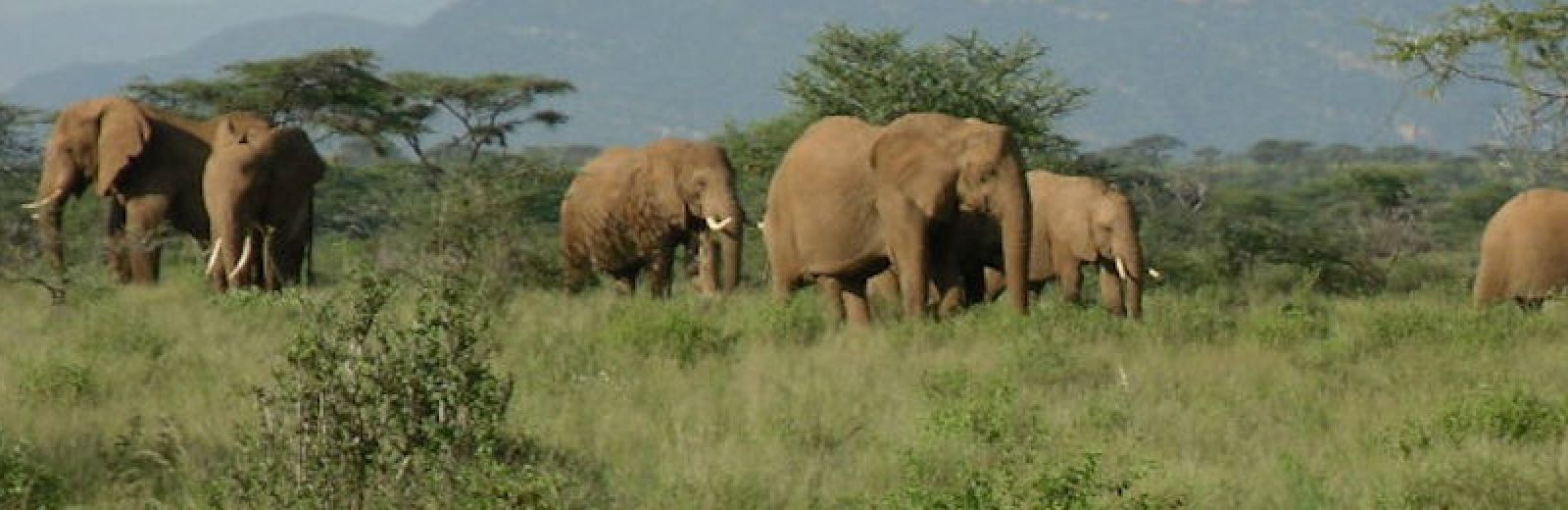
Zoology is the study of animals at all levels, from their molecular basis up to the way they interact with their ecosystems.
With this intercalated course, you’ll gain an in-depth knowledge of zoological science and research. It will give you the opportunity to explore a wide range of animals, how they came to be and how they function, through genetics, evolution, animal behaviour and conservation science, and a range of related disciplines.
You can choose to study animals, including humans, from a broad perspective. This may include sociality and eusociality, development, behaviour, nutrition and sustainable agriculture and wildlife conservation. During your Biology Research Project, you'll be encouraged to design and analyse your own scientific study, which will equip you with numerous transferable skills.
This course will give you a strong grounding in the essentials of zoology, providing a broader perspective of life on Earth and our place within it.
Why study at Leeds
- Choose from a wide range of module options covering topics from genetics, through animal production to landscape ecology.
- Access to a wide range of natural landscapes for your research project: the diverse Yorkshire coastline, the North York Moors, the Yorkshire Dales, the Lake District and the Peak District are all within easy reach.
- Excellent links with a range of relevant partners, including zoos, wild animal parks, nature reserve managers and research institutes.
Course details and modules
All students undertake a compulsory 40-credit Biology Research Project. You can also choose four to six modules from the list of optional modules.
The list shown below represents typical modules/components studied and may change from time to time. Read more in our terms and conditions.
For more information and a full list of typical modules available on this course, please read the Zoology in Relation to Medicine and Veterinary Science BSc course catalogue entry.
Year 1 compulsory modules
| Module Name | Credits |
|---|---|
| Biology Research Projects | 40 |
Year 1 optional modules (selection of typical options shown below)
| Module Name | Credits |
|---|---|
| Evolution, Adaptation and Behaviour | 20 |
| Human Populations and Disease | 20 |
| Advanced Topics in Ecology | 20 |
| Advanced Topics in Behaviour: from sex to death | 20 |
| Social Biology | 10 |
| Sustainable Innovations in Animal Science | 20 |
| Advanced Topics in Evolution | 20 |
| Evolution and Population Genetics | 10 |
| Advanced Topics in Conservation Science | 20 |
Biology Research Project
A wide range of research topics are available, such as parasite-host interactions, animal development, animal nutrition, sustainable livestock production, conservation ecology and animal behaviour. These projects are an important way for you to learn about independent scientific research and develop relevant skills for future employment. The data from some of our best projects have been used in scientific publications, with students involved in authorship.
Recent examples include:
- Biosecurity to slow the spread of invasive species
- The effect of parasitic infection on animal behaviour
- Foraging behaviour of gannets
- Diseases of marine mammals
- Functional diversity of coral reef fishes
- Insect sperm competition
- The role of the Major Histocompatibility Complex in human mate choice
- Animal welfare in pig production
- The exotic pet trade and the sale of endangered species
Field courses
Students completing the BSc Zoology in Relation to Medicine and Veterinary Science have the option of taking our field course in South African ecology. This will cover biodiversity in a range of South African habitats and will provide key experience in field research techniques, species identification, and conservation strategies.
Learning and teaching
On this course, you’ll be taught by our expert academics, and may also be taught by industry professionals with years of experience, as well as trained postgraduate researchers, connecting you to some of the brightest minds on campus.
On this course, you’ll be taught by our expert academics, from lecturers through to professors. You may also be taught by industry professionals with years of experience, as well as trained postgraduate researchers, connecting you to some of the brightest minds on campus.
Assessment
Teaching will be through lectures, practical classes, seminars, small-group teaching, and a research project. Assessment is similarly varied, including in-course assessment (formative and summative), practical reports and written examinations. The in-course assessment exercises include tests of practical skills, essay writing, data manipulation and problem solving. The research project will be assessed throughout the project and on the final written report. Degree classification will be based upon the marks obtained in each of the component modules, with the appropriate credit weighting applied.
Entry requirements
Other course specific tests:
Successful completion of the first two years of an MBChB, BVSc, BVetMed, BVMSci programme at UK Universities.
For international students, proof of English Language proficiency will be required. In line with undergraduate medicine, we require a minimum of English GCSE grade B or IELTS 7.5.
International foundation year
International students who do not meet the academic requirements for undergraduate study may be able to study the University of Leeds International Foundation Year. This gives you the opportunity to study on campus, be taught by University of Leeds academics and progress onto a wide range of Leeds undergraduate courses. Find out more about International Foundation Year programmes.
Fees
UK: £10,050
International: £33,800 (per year)
The amount of tuition fees you pay is based on whether you are classified as a home (UK) or international student. Find out how we assess your fee status.
Tuition fees for UK students
Tuition fees for UK undergraduate students starting in 2027/28 are £10,050.
Subsequent years
The UK government sets the maximum tuition fee caps that universities can charge UK students. This means your tuition fee in future academic years will reflect any changes set by the government.
From 2028/29 onwards, tuition fees are likely to increase annually, at least in line with inflation, and may rise further if the government increases the fee cap.
Tuition fees for international students
The international fee applies for each year of full-time study and will remain the same for the duration of your course.
Read more about tuition fees.
Additional cost information
There may be additional costs related to your course or programme of study, or related to being a student at the University of Leeds. Read more on our living costs and budgeting page.
Scholarships and financial support
If you have the talent and drive, we want you to be able to study with us, whatever your financial circumstances. There is help for students in the form of loans and non-repayable grants from the University and from the government. Learn more about undergraduate funding.
Scholarships are also available to help fund your degree. Find out more and check your eligibility below:
Applying
Read about applying for intercalation on the School of Medicine website.
Please note:
In addition to the application form, you will be required to write a statement on why you wish to study the subject. The personal statement should demonstrate interest and enthusiasm in zoological science.
This course is taught by
Faculty of Health and Life Sciences, Biological Sciences
Contact us
Biological Sciences Undergraduate Admissions Office
Email: fbsadmissions@leeds.ac.uk
Career opportunities
The course is designed to give you a challenging, yet enjoyable and rewarding year that will significantly enhance your skills and knowledge, enhancing your career opportunities on graduation.
The course allows full integration with existing science-based BSc courses and includes delivery of a substantive research project.
In addition to providing subject-specific knowledge, we equip you with the best possible skills for future careers. There is a strong emphasis on practical-based teaching, small-group teaching, online learning, and problem-solving. You’ll gain a wide range of transferable skills which are highly valued by employers. You’ll be ideally placed to focus on your personal development and make the most of your intercalating year.
Top 10 most targeted for 10+ years
by the UK’s leading employers
Careers support
At Leeds, we help you to prepare for your future from day one. We have a wide range of careers resources –including our award-winning Employability Team who are in contact with many employers around the country and advertise placements and jobs. They are also on hand to provide guidance and support, ensuring you are prepared to take your next steps after graduation and get you where you want to be.
- Employability events – we run a full range of events, including careers fairs in specialist areas and across broader industries, all with employers who are actively recruiting for roles.
- MyCareer system – on your course and after you graduate, you’ll have access to a dedicated careers portal where you can book appointments with our team, get information on careers and see job vacancies and upcoming events.
- Qualified careers consultants – gain guidance, support and information to help you choose a career path. You’ll have access to 1-2-1 meetings and events to learn how to find employers to target, write your CV and cover letter, research before interviews and brush up on your interview skills.
- Opportunities at Leeds – there are plenty of exciting opportunities offered by our Leeds University Union, including volunteering and over 300 clubs and societies to get involved in.